 · EST. 1998
Shipping Istanbul to Lagos: Costs, Times & Customs 2026
The difference between a profitable order and a stuck one is rarely the supplier — it is the 80 kg carton sitting at Murtala Muhammed while your paperwork catches up. Here is what Istanbul to Lagos really costs, takes and requires.
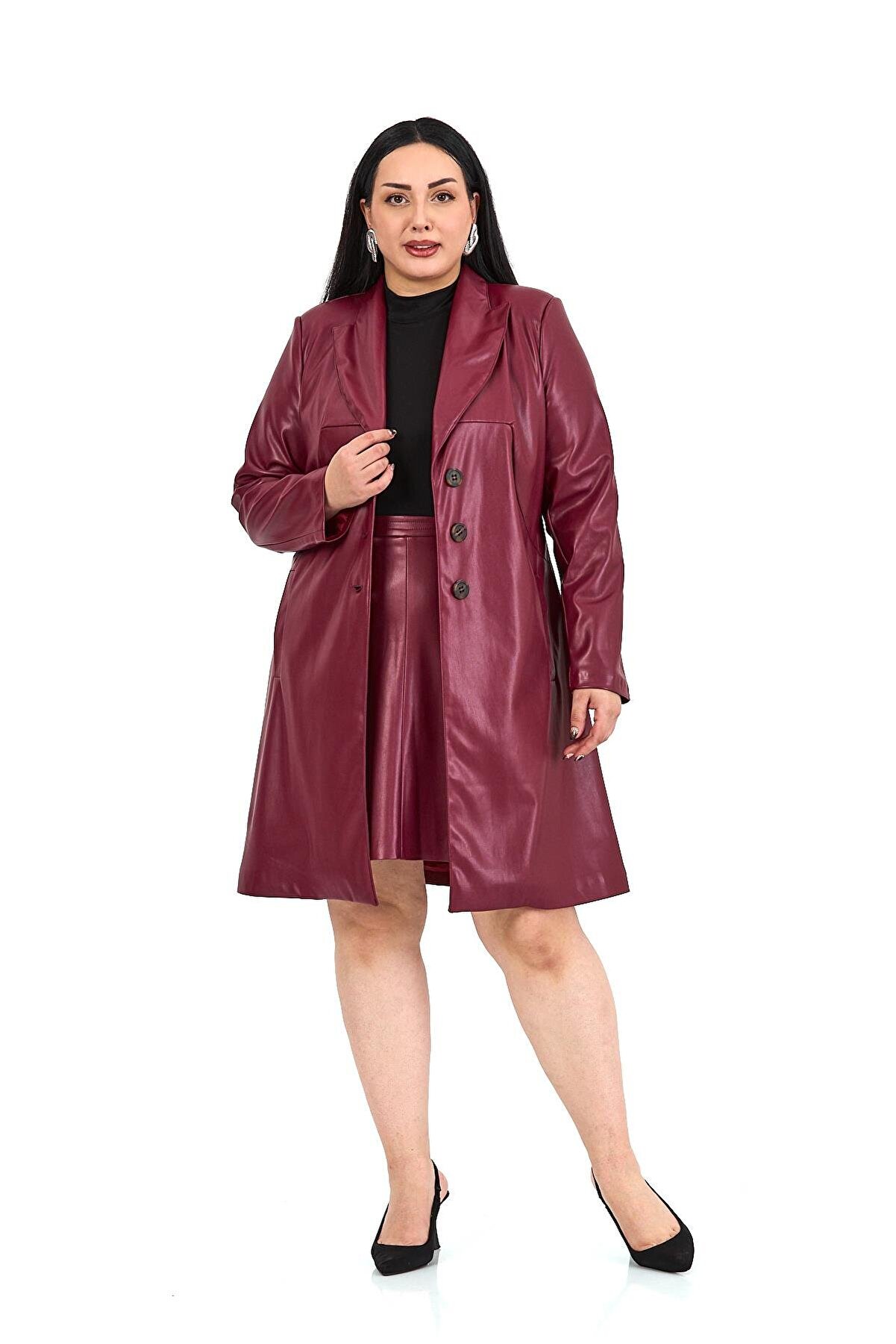
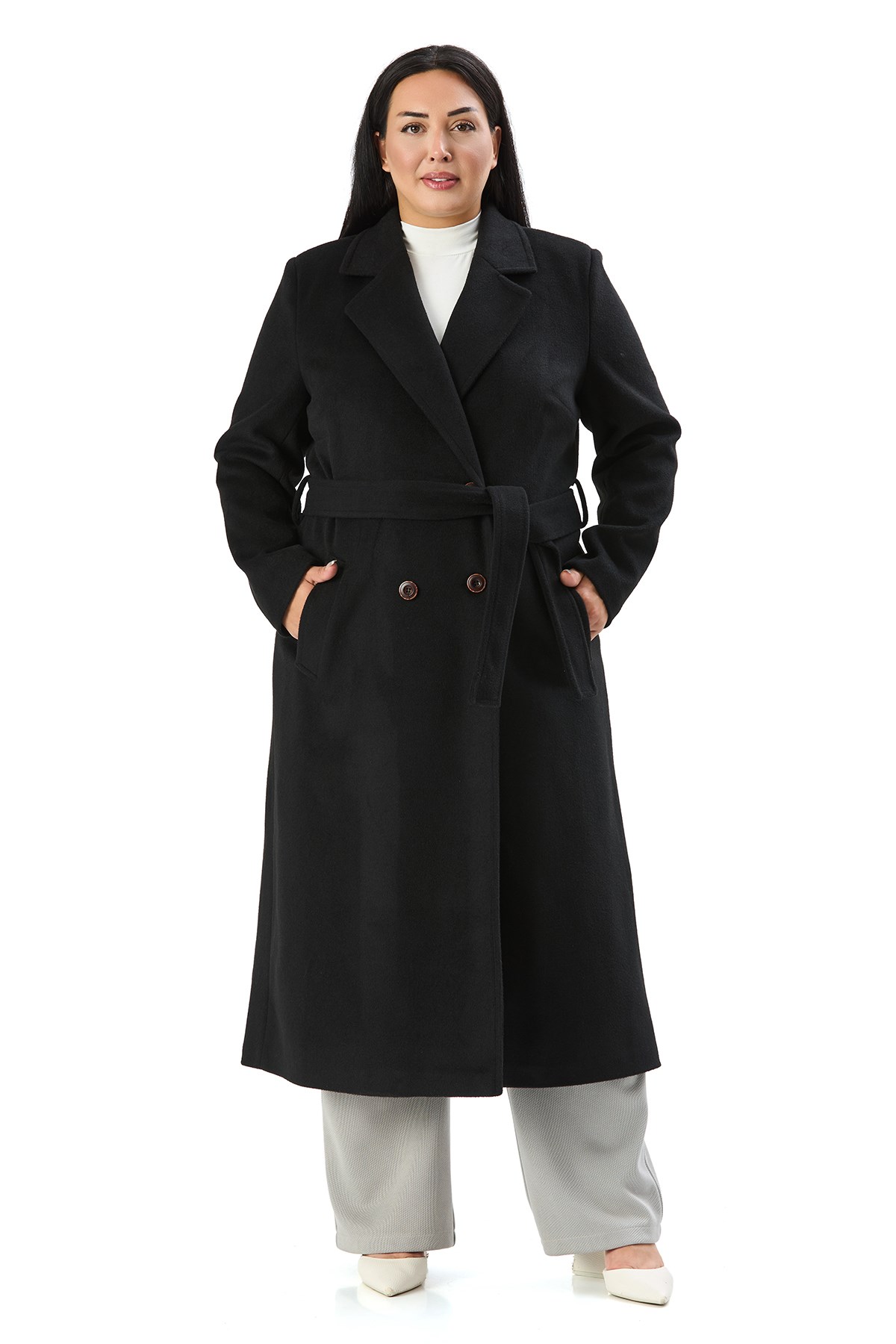
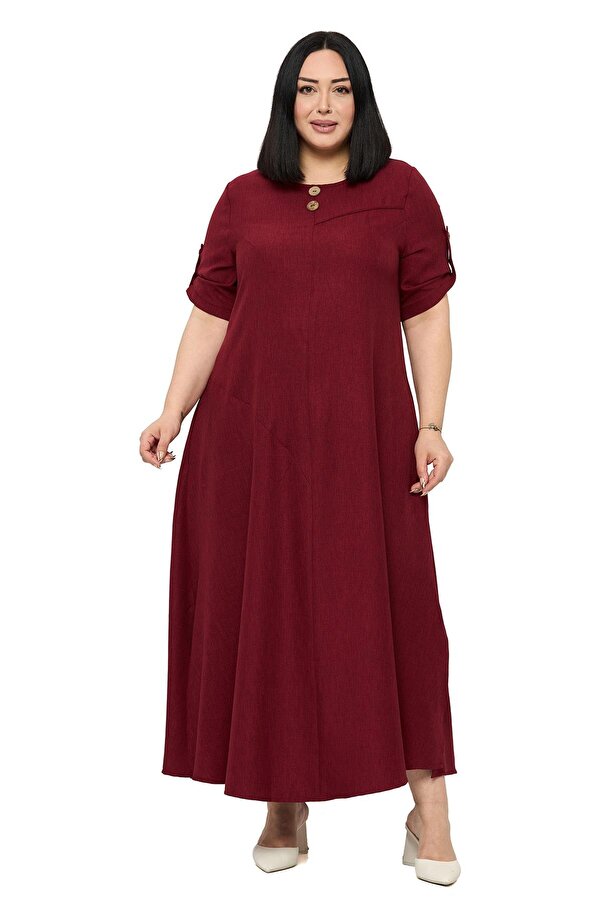
Istanbul to Lagos is one of the busiest wholesale fashion lanes in the world, and also one of the easiest to get wrong. Buyers negotiate hard on the unit price, then lose the saving three times over on the wrong freight mode, an incomplete Form M, or a clearance agent who quotes on arrival instead of before departure. This guide covers the three realistic ways to move goods, what each costs per kilo in 2026, how Nigerian duty actually calculates, and the timeline you can plan around. Disentis Modest has shipped from our own Istanbul workshop since 1998 across 600+ models in sizes 34–60, and Nigeria is one of our largest destinations.
Three Ways to Move Goods from Istanbul to Lagos
There is no single best option — there is an option that matches your weight, your cash cycle and your reorder rhythm. Choose by shipment weight first, everything else second.
- Air express (DHL, UPS, FedEx and similar): door to door, 3–6 working days, tracked end to end, and the courier handles most of the clearance. Best under roughly 100 kg. You pay the most per kilo and the least in hassle.
- Air cargo (airport to airport): 5–10 days plus clearance at Lagos. Significantly cheaper per kilo above 100 kg, but you or your agent must clear it at the airport yourself. Turkish carriers run direct Istanbul–Lagos services, so transit itself is short; the variable is ground handling.
- Sea LCL or FCL (Ambarlı/Haydarpaşa → Apapa or Tin Can Island): 20–35 days port to port, plus 7–20 days for clearance and inland movement. The cheapest per kilo by a wide margin, but fixed port, terminal and agent charges mean it rarely makes sense below about 400 kg.
A pattern we see work well: start with air express for your first one or two orders while you are still testing which dresses and co-ord sets sell in your shop, then move to air cargo or sea once your reorders are large and predictable enough to consolidate.
What It Actually Costs Per Kilo in 2026
These are working ranges, not quotes. Rates move with fuel, season and volume, so always confirm in writing before you pay a deposit.
- Air express, under 100 kg: roughly $7–12 per kg door to door. Volumetric weight applies — garments are light and bulky, so your chargeable weight is often 15–30% above actual weight.
- Air cargo, 100 kg and up: roughly $4–7 per kg airport to airport, plus terminal handling and agent fees in Lagos.
- Sea LCL: commonly quoted per cubic metre rather than per kilo, plus a fixed block of destination charges at Apapa or Tin Can. Below 3 CBM the fixed charges dominate and the per-kilo advantage disappears.
- Sea FCL (20ft): only relevant at container volumes, and rates swing widely with the market — get a live quote rather than trusting last year's figure.
- Insurance: budget roughly 0.5–1% of goods value. On a $2,800 order that is $14–28, which is the cheapest peace of mind in the whole chain.
Practical tip: ask your forwarder for the volumetric weight before you book, not after. Apparel cartons routinely charge at 1.2–1.3× actual weight, and discovering that at the invoice stage is how a budgeted $700 freight bill becomes $900.
Nigerian Duty and VAT: The Real Arithmetic
Nigeria Customs calculates on CIF value — the goods plus freight plus insurance — not on the invoice value alone. That single fact surprises more first-time importers than any other. Ready-made apparel commonly attracts a 20% import duty, and several levies sit on top of it.
- Import duty: commonly 20% of CIF for ready-made garments.
- Surcharge: commonly 7% calculated on the duty amount itself.
- ETLS levy: commonly 0.5% of CIF.
- CISS (inspection): commonly 1% of FOB value.
- VAT: 7.5%, applied on CIF plus duty plus levies — so it compounds on everything above it.
- Agent, terminal and delivery: budget a flat $100–250 depending on mode and whether your goods move by air or sea.
Worked example: 200 pieces at $14 average
Goods $2,800 FOB Istanbul. Weight 80 kg, shipped air express at $9/kg = $720 freight, plus $28 insurance. CIF is therefore $3,548. Duty at 20% = $709.60. Surcharge at 7% of duty = $49.67. ETLS at 0.5% of CIF = $17.74. CISS at 1% of FOB = $28. VAT at 7.5% on $4,353 = $326.48. Add $150 for agent and delivery in Lagos, and your total is roughly $4,830 for 200 pieces — about $24 landed per piece on a $14 average. Your landed multiplier is therefore around 1.7×.
Write that multiplier down and apply it to every quote you receive. A $30 coat is a $51 coat on your shop floor, and it needs a retail price above ₦-equivalent 2.5–3× that to hold a working margin after markdowns.
The Paperwork That Actually Blocks Shipments
Nigerian clearance delays are rarely about customs being difficult. They are almost always about a document that was supposed to exist before the goods moved and did not.
- Form M: commercial imports require an e-Form M opened through your authorised dealer bank on the Nigeria Trade Portal, before shipment. Opening it after the cargo has flown is the single most common and most expensive mistake.
- PAAR: the Pre-Arrival Assessment Report is issued by Customs based on your Form M and supporting documents; your agent uses it to clear.
- Commercial invoice and packing list: must match each other and match the Form M — same description, same quantities, same values. A mismatch of a few pieces triggers a query, and a query costs days.
- Bill of lading or air waybill: consignee details must match the Form M holder exactly.
- Second-hand clothing is prohibited. New ready-made garments are importable, but the prohibition list and HS classifications change — confirm your exact code with a licensed customs agent before you order, not after.
Practical tip: send your commercial invoice and packing list to your clearing agent for review the same day you receive the proforma, before you pay the balance. Ten minutes of agent review before shipping saves the two to three weeks that a Form M correction costs after arrival.
A Realistic Timeline, Day by Day
For an in-stock air express order, plan around 12–18 days from decision to shop floor. Here is how that breaks down:
- Day 0: you build your order list on the collection page and send it on WhatsApp to +90 555 336 47 86.
- Day 0–1: we confirm stock and issue the proforma invoice; you open your Form M with your bank in parallel.
- Day 1–2: you pay the 70% deposit by bank transfer.
- Day 2–5: picking, quality check, folding, poly-bagging and carton packing; final weights and dimensions confirmed.
- Day 5–6: you pay the 30% balance against the confirmed freight figure, and we hand over to the courier.
- Day 6–11: transit Istanbul to Lagos.
- Day 11–16: clearance at Lagos and delivery to your address; 2–4 days is normal with clean paperwork, 7+ days if a query is raised.
- Sea equivalent: add roughly 30–45 days to the transit and clearance blocks.
Five Mistakes That Cost Lagos Boutiques Money
- Splitting orders across months. Four 20 kg shipments cost dramatically more than one 80 kg shipment. Consolidate and plan reorders on a fixed cycle.
- Choosing sea for a small order. Below about 400 kg, the fixed destination charges eat the entire per-kilo saving and you have waited five weeks for nothing.
- Quoting freight after packing. Get an estimate from actual carton dimensions before the balance payment so there are no surprises.
- Ignoring volumetric weight. Bulky coats and dresses charge on volume. Denser folding and correct carton sizing genuinely reduce your bill.
- Under-declaring value. It invites inspection, penalties and delays that dwarf whatever duty was saved, and it voids your insurance if anything goes missing.
Everything cut and sewn in our Istanbul workshop ships worldwide against a proforma invoice, with the common structure being a 70% deposit and 30% before shipping. What makes the Lagos lane work is not a secret rate — it is consolidating properly, opening the Form M early, and knowing your landed multiplier before you order rather than after.
Frequently asked questions
How long does shipping from Istanbul to Lagos take?
Air express is typically 3–6 working days in transit plus 2–4 days for clearance, so around 12–18 days from order to delivery including production and payment steps. Air cargo runs 5–10 days plus clearance. Sea freight takes 20–35 days port to port plus another 7–20 days for clearance and inland movement.
How much does it cost to ship clothes from Turkey to Nigeria?
Air express runs roughly $7–12 per kilo door to door under 100 kg, and air cargo roughly $4–7 per kilo above 100 kg airport to airport. Sea LCL is cheaper per kilo but carries fixed port charges that make it uneconomic below around 400 kg. Remember that apparel is usually charged on volumetric weight, typically 15–30% above actual weight.
What is the customs duty on clothing imported into Nigeria?
Ready-made garments commonly attract 20% import duty calculated on CIF value, plus a 7% surcharge on the duty, a 0.5% ETLS levy, 1% CISS on FOB, and 7.5% VAT applied on top of CIF plus duty and levies. In practice this adds roughly 32–36% to your CIF value. Always confirm your exact HS code with a licensed clearing agent.
Do I need a Form M to import clothing into Nigeria?
Yes, commercial imports require an e-Form M opened through your authorised dealer bank on the Nigeria Trade Portal, and it must be opened before the goods ship. Customs then issues a PAAR that your agent uses to clear the consignment. Opening the Form M after shipment is the most common cause of multi-week delays.
Should I use air or sea freight for my first boutique order?
Use air express for a first order. Test quantities are usually well under 100 kg, where sea's fixed port and terminal charges wipe out the per-kilo saving and add four to six weeks. Move to air cargo or sea only once your reorders reliably exceed 100 kg and 400 kg respectively.
What is the landed cost per piece when importing from Turkey to Lagos?
On a typical 200-piece air express order averaging $14 per piece, the landed cost works out around $24 per piece once freight, duty, levies, VAT and agent fees are included. That is a multiplier of roughly 1.7× your wholesale price. Calculate your own multiplier once and apply it to every future quote.
Can I import second-hand clothing into Nigeria?
No — second-hand clothing sits on Nigeria's import prohibition list. New ready-made garments are importable but classification and the prohibition list change over time, so confirm your specific HS code with a licensed customs agent before placing an order rather than after the goods arrive.
What is the minimum order and how do I pay?
The minimum order is $400, which is typically 12–20 pieces in outerwear or 25–35 pieces in tops and dresses. You build your list on the collection page, send it via WhatsApp to +90 555 336 47 86, and receive a proforma invoice. Payment is by bank transfer, commonly 70% deposit and 30% before shipping.